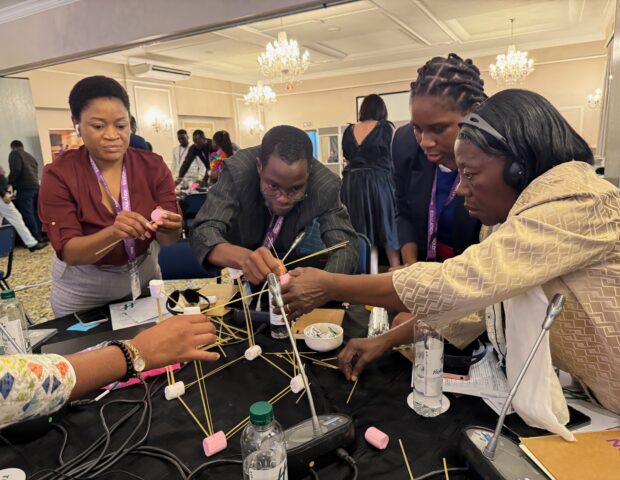
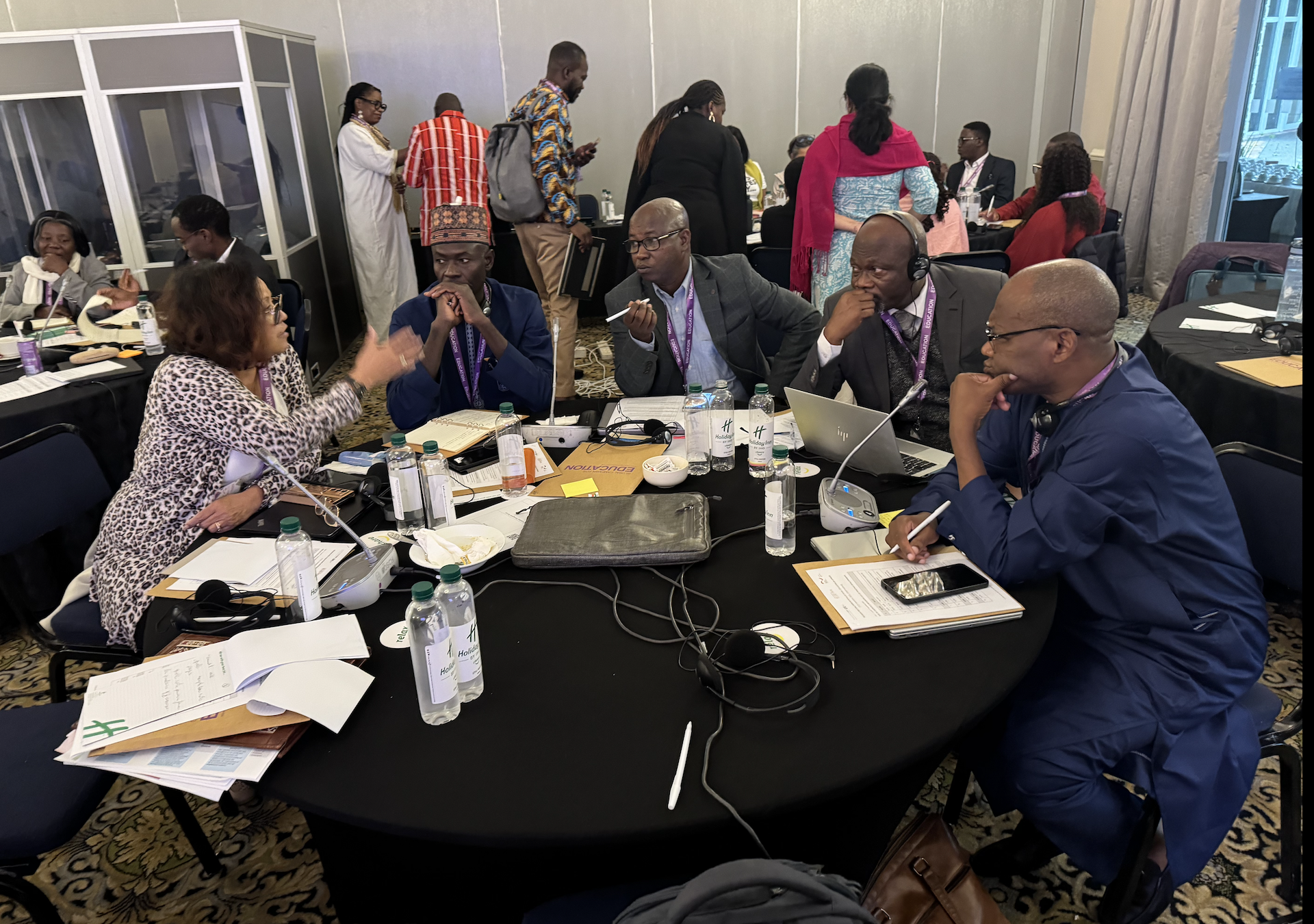
Africa national education coalitions (NEC) closed 2025 with a powerful message from Johannesburg: despite shrinking aid, rising debt, and deepening crises, African coalitions are building a bold, evidence-based movement for education justice. From 17-20 November 2025, national education coalitions, youth organisations, Generation Digital partners, and key allies met in Johannesburg, South Africa, for the Africa Regional Exchange Learning and Sharing Workshop organised by the Global Campaign for Education (GCE). The regional meeting was strategically timed to coincide with the G20 meetings and the GCE Board meeting, and set against the backdrop of the African Union’s Decade of Accelerated Action for the Transformation of Education and Skills Development (2025-2034).
Opening the workshop, GCE Global Coordinator Grant Kasawanjete described four “storms” reshaping education in Africa: deepening social and political polarisation, the retreat of multilateralism, sharp cuts in Official Development Assistance (ODA), and an escalating debt crisis that pushes many governments to spend more on repayments than on education and health. Participants heard a keynote from the African Union Commission’s Education Division outlining the new Continental Education Strategy for Africa (CESA 2026-2035) and the AU Decade of Education, with seven strategic pillars ranging from foundational learning and teacher professionalisation to education in emergencies, climate resilience, and digital transformation. This framing positioned NECs as critical partners in turning continental frameworks into national-level change.
Financing justice in an age of cuts and debt
A major focus of the workshop was how to defend the right to education amid severe ODA reductions and mounting debt. Education aid has declined since 2014 and is expected to fall by a further 9-17 percent in 2025, with at least 28 countries set to lose a quarter of their education aid and countries such as Chad and Liberia facing cuts of around half. In West and Central Africa, 1.9 million children risk losing access to school, while civil society organisations (CSOs) across the region report stop-work orders and existential funding threats. GCE presented the Education Financing Observatory (EFO), a movement-wide initiative launched in 2021 to link data and advocacy through comparable indicators and country briefs, and invited African coalitions to co-create regional pages and national financing briefs that expose privatisation trends, tax injustices, and budget gaps. Discussions on the UN Framework Convention on International Tax Cooperation highlighted both the potential of fairer global tax rules and the political divides that continue to shape negotiations, underscoring the need for coordinated African civil society engagement.
Learning from VNRs, SDG 4 and education in emergencies
Knowledge-exchange sessions showcased how African NECs are turning training into impact. Coalitions from The Gambia, Eswatini, Lesotho, and Ethiopia shared how they used the 2024 regional workshop to prepare for the 2025 High-Level Political Forum – drafting spotlight reports, engaging Voluntary National Review (VNR) processes, and delivering hard-hitting statements that linked SDG 4 to wider agendas such as debt, gender, and climate.
Looking ahead to 2026, when 36 countries will undergo VNRs, including 16 African states, coalitions committed to early engagement with governments and to using SDG 4.7 (knowledge and skills needed to promote sustainable development) as an entry point to connect education with water, energy, infrastructure, cities, and partnerships. Another key thread was Education in Emergencies (EiE), a seven-country research initiative (including Somalia, South Sudan, Chad, Congo, Mozambique, Nigeria, and Burkina Faso) is documenting how conflict, displacement, and climate disasters are shutting millions of children out of school, and insisting that communities, teachers, and learners themselves sit at the centre of policy responses.
Green EdTech, digital futures, and gender justice
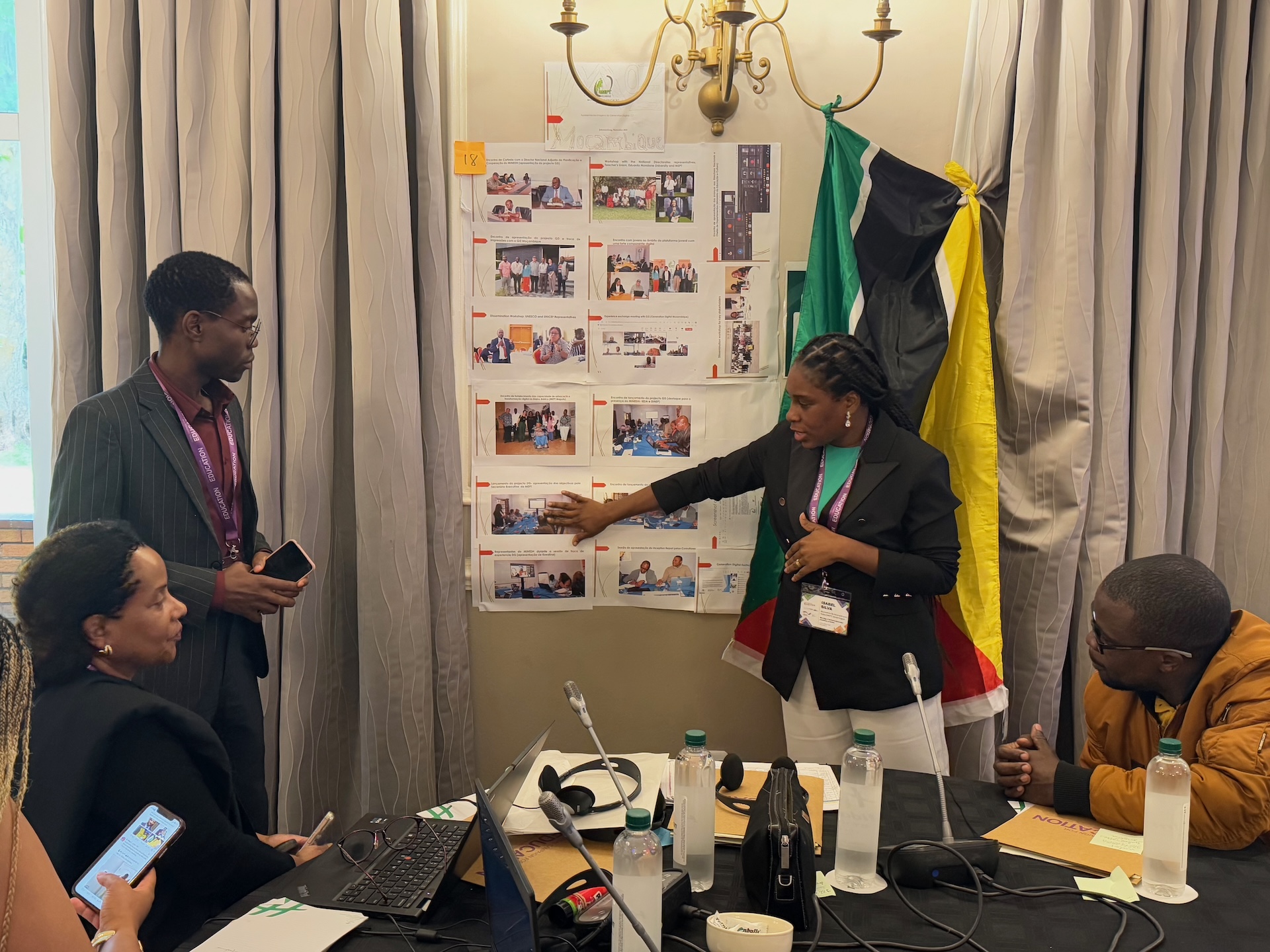
The workshop also looked firmly to the future. Sessions on Green EdTech explored how education technology can support climate awareness and climate-resilient learning while avoiding energy-intensive, exclusionary models that deepen the digital divide. A dedicated discussion on the African Union’s Digital Education Strategy examined how NECs can influence national digital policies, from connectivity and devices to teacher training and safe, inclusive platforms. Youth and Generation Digital partners turned the room into a “gallery walk”, presenting AI research, digital literacy work with teachers, and grassroots EdTech initiatives from Ghana, Kenya, Mozambique, Malawi, Sierra Leone, and beyond, demonstrating that young activists are not just beneficiaries but co-creators of digital education strategies. In parallel, a session on Gender Equality and Social Inclusion highlighted how coalitions in Ethiopia, Mozambique, Cameroon, and Guinea are integrating gender-transformative approaches into their advocacy, connecting national campaigns with regional commitments on women’s and girls’ education.
Stronger coalitions, stronger movement
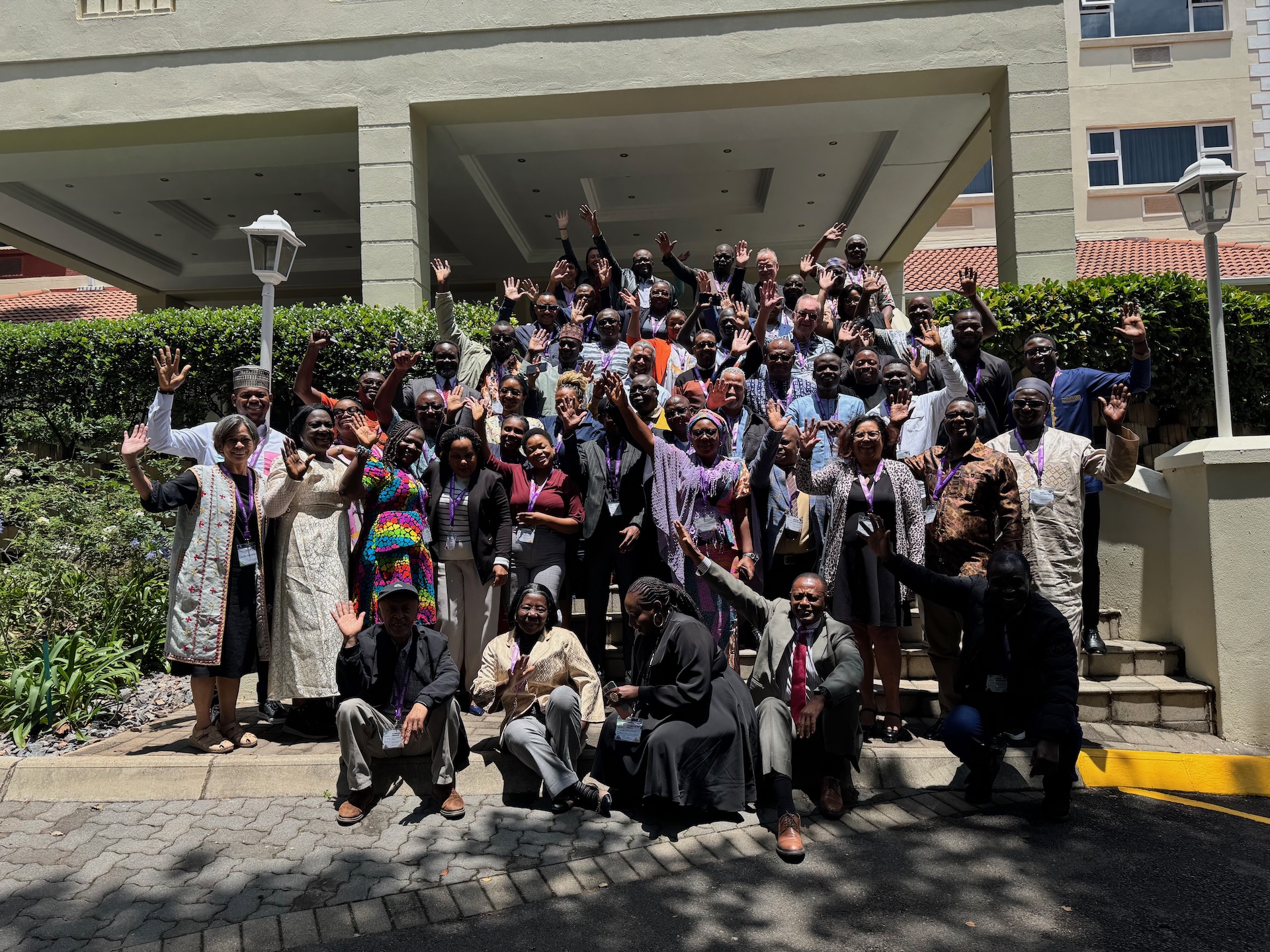
Throughout the four days, coalitions reflected honestly on governance, membership, and shrinking civic space, and shared practical strategies for staying resilient such as more transparent decision-making, diversified funding, systematic member engagement, and peer-to-peer learning across countries such as Benin, Ghana, and Mozambique. By the final day, participants had co-developed an advocacy roadmap that links immediate priorities, such as the 2026 VNRs, the replenishment of the Global Partnership for Education (GPE), EiE research, and Education Out Loud (EOL) 2.0 preparation, to longer-term work on Green EdTech, digital education, and monitoring the Continental Education Strategy for Africa (CESA) and the African Union Decade of Education.
The workshop closed with strong commitments to keep sharing through the GCE Learning Hub, deepen collaboration with regional networks and the African Union, and speak with a united voice on education financing, public education, and the right of every child, youth, and adult in Africa to learn, dream, and thrive.
Click HERE to download this story.