TENMET Partners with the Ministry of Science and Technology to Develop Tanzania’s Domestic Resource Mobilisation Strategy for Education
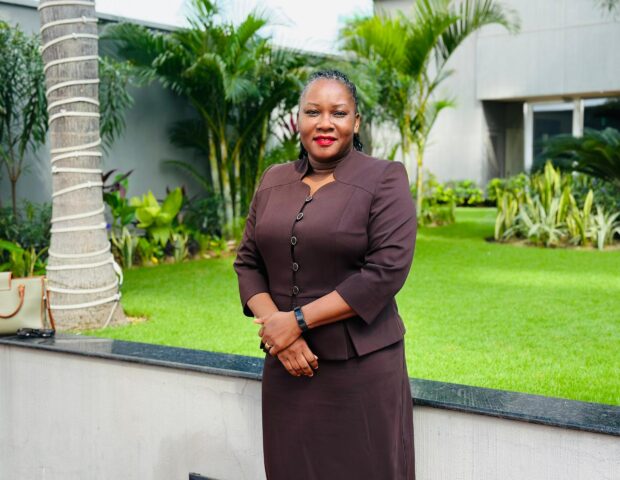
In this interview, the Global Campaign for Education (GCE) speaks with Martha Samuel Makala, National Coordinator of the Tanzania Education Network (TENMET), about the coalition’s leadership role in developing Tanzania’s new Domestic Resource Mobilisation (DRM) strategy for education, and what it means for civil society, gender equality, and sustainable financing.
In 2025, the race to drive domestic resource mobilisation for education and break free from shrinking foreign aid became more urgent than ever. Education movements worldwide are being forced to defend education financing at a time when external aid is shrinking and governments are failing to invest the maximum of available resources in strong public education systems. UNICEF projects that global education funding will fall by 3.2 billion dollars by 2026, a 24% decrease from 2023, which is expected to push the number of out-of-school children from 272 million to 278 million, with many living in humanitarian and crisis-affected contexts. At the same time, key areas such as adult education and literacy, which are vital for reaching marginalised communities, are facing severe cuts.
In Tanzania, these global pressures intersect with domestic challenges: while the country has experienced economic growth and a rising demand for education, government expenditure on education has fallen below international benchmarks, with spending dropping from earlier peaks to just over 3% of GDP and under 15% of the national budget in recent years. Primary education continues to receive the largest share of education funds, yet early childhood and adult education receive a negligible proportion, leaving critical gaps in lifelong learning and equity. Foreign funding to the sector has also fluctuated sharply, including significant reductions linked to human rights concerns, underscoring the vulnerability of education financing to political and policy shifts.
Against this backdrop, the Global Campaign for Education (GCE) and members such as the Tanzania Education Network/Mtandao wa Elimu Tanzania (TENMET), through the Education Financing Observatory (EFO) and other initiatives, are generating evidence and leading advocacy to ensure governments prioritise education in their budgets and meet commitments under SDG 4. The findings from the Tanzania EFO study show that the country is not yet investing the maximum of its available resources to secure the right to education for all, especially for learners who are most excluded. At the same time, TENMET’s leadership in domestic resource mobilisation efforts, working closely with ministries, parliament, and local authorities, demonstrates how civil society can help shift financing debates towards equity, inclusion, and sustainability.
This interview with Martha Samuel Makala, National Coordinator of TENMET, explores how a national education coalition is using evidence to influence Tanzania’s new domestic resource mobilisation strategy for education. It highlights why, in a world where defence budgets are rising and ODA is in decline, GCE members and education advocates must intensify efforts to secure adequate, equitable, and accountable public financing.
Click HERE to read the full interview.