Campaigns › UN Tax Convention
UN Tax Convention: Tax Justice for Quality Public Education
GCE’s UN Tax Convention campaign calls for fairer global tax rules so that countries can raise more and better domestic resources to fund free, inclusive, quality public education and lifelong learning for all. By linking tax justice to education justice, the campaign pushes governments and international institutions to confront the structural financing gaps that keep millions of learners out of school or in under-resourced classrooms.
Why a UN Tax Convention Matters for Education
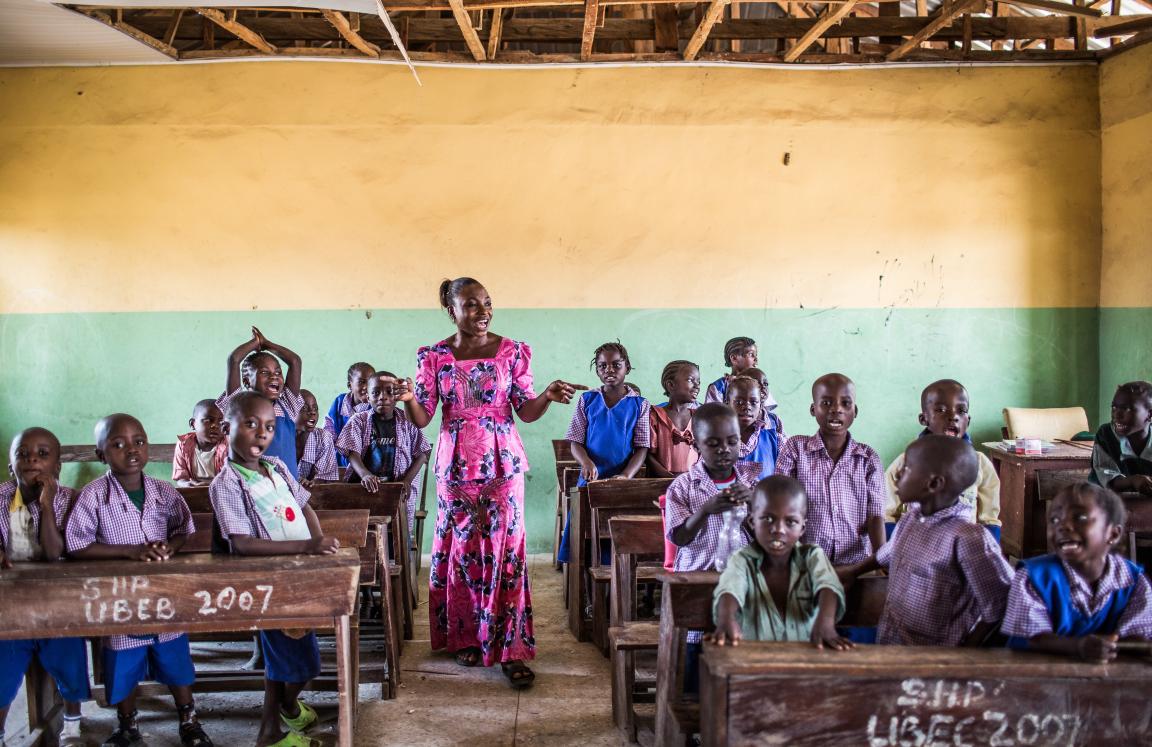
Low- and lower-middle-income countries face an annual education financing gap of nearly 200 billion US dollars, while public education budgets remain insufficient and often inefficient. At the same time, regressive tax systems, tax abuse and unfair global rules limit governments’ ability to invest to the maximum of their available resources in public education.
GCE’s Position on Tax Justice
GCE’s strategic plan identifies “advocating for tax justice” as a core demand within its education financing priority, alongside increasing the share, size and scrutiny of education budgets. The movement calls on governments to increase domestic resources for education through fairer taxation, sustainable use of natural resources, equitable spending of education resources, and stronger transparency and accountability in revenue collection and public expenditure.
What the Campaign Demands
A UN tax convention that centres human rights and equity
GCE supports efforts towards a UN tax convention that gives all countries, especially those in the Global South, an equal voice in setting global tax norms, curbing illicit financial flows and tackling harmful tax competition that erodes education budgets. Global tax reform must be designed to expand fiscal space for social sectors, including early childhood, school education, youth and adult learning.
More and better public funding for education
Governments should commit to using revenues mobilised through fairer tax systems to increase the size and share of public spending on education, with particular focus on those who are marginalised or at risk of being left behind. Legally anchored funding targets and clear plans to reach them are essential, alongside robust monitoring of how public and private spending impacts education equity.
How the Campaign Works
Through this campaign, GCE builds alliances with tax justice, debt justice and broader social justice movements to jointly advocate for systemic financing reforms that uphold the right to education. National coalitions and regional networks bring evidence from their contexts into global tax debates, while GCE connects these struggles to SDG 4 and Financing for Development processes, pushing for a UN tax convention that delivers real resources for public education systems.