FOCUS AREA › Education in Emergencies
Education in Emergencies: Protecting the Right to Learn in Times of Crisis
GCE’s Education in Emergencies and Crises focus area works to ensure the right to education is protected before, during and after disasters, conflicts, pandemics and protracted crises. The movement seeks to keep education systems functioning, safe and inclusive so that learners, teachers and communities can survive, recover and rebuild.
Index
WHY EDUCATION IN EMERGENCIES
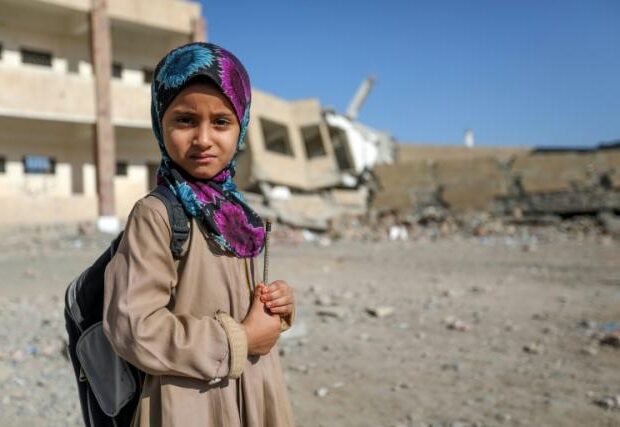
Disasters, pandemics, conflict and displacement threaten global progress on SDG 4 and risk denying millions their right to education. An estimated 222 million crisis‑affected school‑age children need educational support, and in 2020–2021 there were around 5,000 attacks on schools and universities, putting lives at risk and destroying infrastructure.
Refugees and other displaced learners remain critically underserved, with only about 68% of refugee children accessing primary education. At the same time, students and pupils who organise or speak out often face surveillance, criminalisation and violent repression, including bans on student unions in some countries.
OUR FOCUS IN EDUCATION IN EMERGENCIES
GCE members work together on key dimensions that determine whether education systems can withstand and respond to crises.
Crisis‑Sensitive and Inclusive Planning and Budgeting
GCE advocates for education sector plans and budgets that analyse risk, reduce vulnerability and ensure preparedness, so that schools can actively mitigate disaster and crisis risks for all learners in their diversity. This includes integrating psychosocial support, socio‑emotional learning and protection measures into education policies and programmes.
Safe, Protective Learning Environments
The movement calls for schools and higher education institutions to remain as safe as possible, with measures to protect students, teachers and staff from attack, violence and harassment. When school closures are unavoidable, GCE promotes inclusive distance learning options that close, rather than deepen, digital divides.
Education for Refugees and Displaced Learners
GCE insists that refugees, internally displaced persons (IDPs), returnees, asylum seekers and stateless people in all their diversity must have guaranteed, non‑discriminatory access to quality education. This includes recognition of qualifications, fair remuneration for teachers working in emergencies and pathways that allow learners to continue and complete their studies.
Protection of Civic Space and Student Rights
The focus area also addresses the criminalisation and repression of students and academics, advocating for their rights to assemble, unionise and exercise academic freedom and freedom of expression. GCE supports mechanisms such as “student at‑risk” and temporary protection schemes that enable persecuted student activists to continue their education safely.
WHAT GCE CALLS FOR
GCE directs specific asks to governments, donors and other decision‑makers.
Guarantee safe and continuous education
- Adopt and operationalise the Safe Schools Declaration and related commitments.
- Keep schools safely open as far as possible while ensuring safety, security, protection, psychosocial support and socio‑emotional learning.
- Provide social welfare and health programmes that support the wellbeing of teachers and learners during emergencies.
Plan and fund with a nexus approach
- Conduct crisis‑sensitive and inclusive education planning and budgeting at all levels, applying a development–humanitarian–peace nexus approach.
- Prioritise and increase funding for education in emergencies within both humanitarian aid and longer‑term development assistance.
- Localise responses wherever possible, ensuring that civil society, students, parents and teachers are at the table when decisions are made.
Invest in teachers and resilient systems
- Equip and support teachers to teach about disaster risk reduction, climate change, health, human rights, and peaceful coexistence, and to support learners’ safety and wellbeing before, during and after crises.
- Reform education systems to build institutional resilience, social cohesion and trust in public education services.
Protect rights and monitor attacks
- Protect students’ and educators’ rights to organise, protest and engage in academic and civic life without fear.
- Support systematic monitoring of SDG 4 implementation and of attacks on students, teachers and education personnel, including violent repression of student protests on and off campus.
HOW THE MOVEMENT DRIVES CHANGE
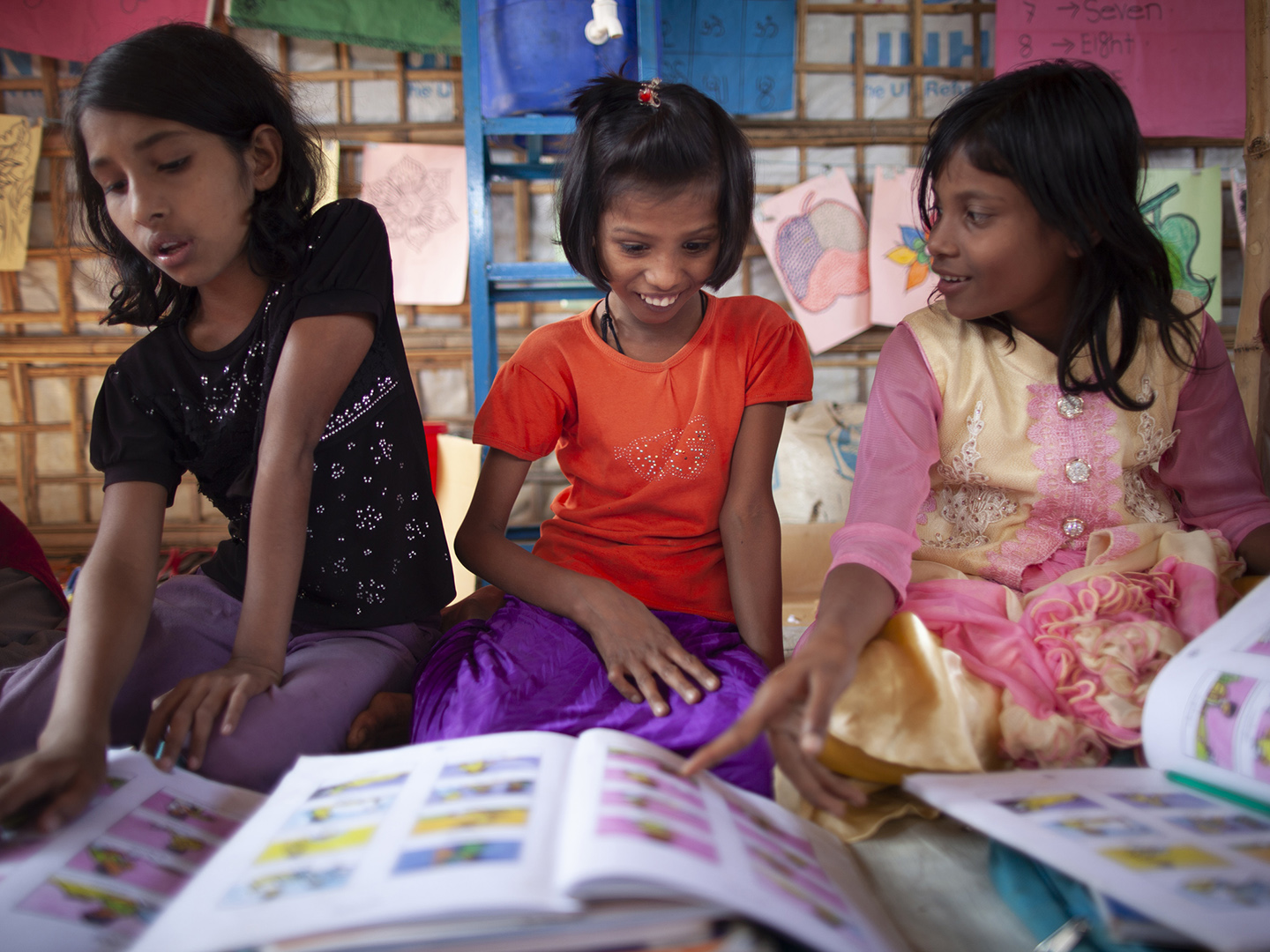
GCE engages systematically with local, national, regional and global education clusters and coordination mechanisms for education in emergencies. The movement advocates with donors for increased and more effective funding across the development–humanitarian–peace nexus and draws attention to both emerging and “forgotten” crises and their educational impacts.
Through research on how funding and leadership shape preparedness, response and recovery, GCE generates evidence that informs advocacy and programming. The movement also represents civil society in Education Cannot Wait processes and platforms, with a particular emphasis on gender equality and protection in education in emergencies.