
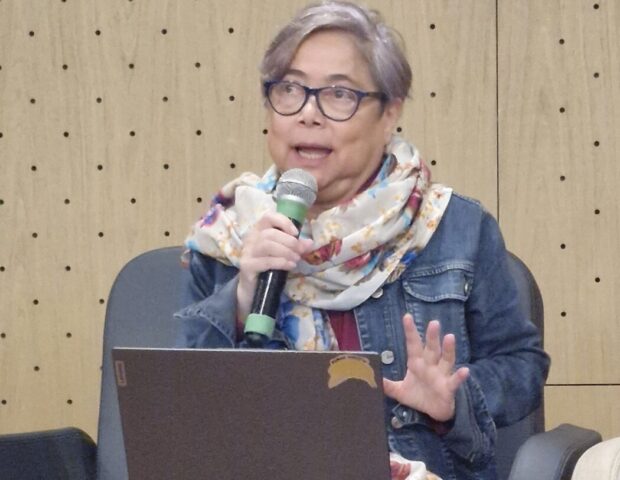
By Nelsy Lizarazo Castro, General Coordinator- CLADE, and GCE Vice President
I start this article by emphasizing a universally recognized fact: education is a fundamental human right. Consequently, it is the responsibility of States to ensure that everyone has access to education throughout their lives. This can only be achieved through public education systems that are adequate, relevant, and able to meet the needs and aspirations of individuals while also promoting democracy, justice, and equity.
It is evident that while there are several essential factors for ensuring the right to education, a key aspect is public funding. This includes having adequate resources that are responsive to gender issues and prioritize groups that have been historically marginalized, along with transparent and effective management, as well as accountability and openness.
A diminished perception of the immense significance of education as a catalyst for change and a potential driver for addressing inequalities and promoting social cohesion dominates decision-making in public budgeting. A prevalent narrative constrains social mobilization and is often used to justify a lack of political action, citing reasons such as a lack of resources, economic crises, and stagnant growth. We are familiar with this narrative. The consequences stemming from this viewpoint are evident: reductions in education budgets, aggressive privatization initiatives, and an increase in loans and debt, among other issues.
It is essential to change everything: our perspective, the narrative, and our practices. Undoubtedly, a comprehensive, strong, and relevant public education system available to individuals of all ages and backgrounds fosters active citizenship, nurtures human talent, generates new creative economic dynamics, and creates opportunities for a dignified life in any society.
Moreover, it is undeniable that the abundant data illustrating the extreme concentration of wealth, tax evasion and avoidance, illicit financial flows, and excessive tax expenditures indicate that there is significant money available. The problem lies not in a lack of resources but in the absence of tax justice and the progressive tax policies necessary for ensuring an equitable distribution of wealth. In other words, we need alternative practices that truly expand the fiscal capacity of our States and create viable opportunities for sustainably, equitably, sufficiently, and fairly financing the Human Right to Education.
Therefore, when considering innovative ways to finance public education, we should focus on progressive tax policies. This represents a novel approach for most countries in the Global South, particularly in the Latin American and Caribbean region. There is a sustainable path forward that primarily necessitates political will and can be gradually implemented at national, regional, and global levels, starting now to secure a better future.