FOCUS AREA › Transforming Education
Transforming Education: Reimagining Learning for Just and Sustainable Societies
GCE’s Transforming Education priority focuses on reshaping education systems so that they equip all learners with the knowledge, skills, values and attitudes needed for just, sustainable and peaceful societies. It responds to deep inequalities, climate breakdown, technological change and the failure of many systems to provide relevant, rights‑based education for every learner.
Index
WHY TRANSFORMATION IS URGENT
Around the world, education institutions struggle to meet learners’ diverse needs and to keep pace with rapid social, economic and technological change. Persistent exclusion, the digital divide and roll‑backs on rights show that “business as usual” will not achieve SDG 4 or deliver education as a transformative public good.
GCE emphasises that education systems must reform fundamentally so that they support both personal and collective wellbeing and can continuously adapt to changing realities. This includes prioritising those currently furthest behind, such as out‑of‑school children and youth, learners with disabilities and communities facing intersecting discrimination.
OUR FOCUS IN TRANSFORMING EDUCATION
GCE members campaign together around key dimensions of transforming education that emerged as priorities in the 2023–2027 Strategic Plan.
Digital Learning Transformation
GCE advocates to close the digital gap, ensure equitable access to connectivity and technology, and promote critical digital and media literacy so that all learners can navigate and shape digital societies safely. The movement insists that technology must enhance, not replace, the role of teachers and be guided by sound pedagogy and human rights.
Quality Climate Change Education (QCCE)
GCE calls for climate change education to become a fundamental, cross‑cutting priority across all levels and sectors of education, with sufficient public investment and universal access. QCCE should foster critical thinking, civic engagement, climate justice, recognition of indigenous knowledge and support for learners transitioning towards greener and more sustainable livelihoods.
Relevant Skills for Life, Work, and Citizenship
Transforming education means curricula and teaching that support resilience, solidarity, democratic participation and the ability to live together in diversity. GCE promotes lifelong learning approaches that address critical skills gaps, especially in early childhood, adult learning and education for out‑of‑school children and youth.
Education Leadership and Civic Space
The movement presses for education leadership that is collaborative, accountable and connected to broader social, economic and environmental trends. GCE defends an open civic space in and around education, where civil society, teachers, students and communities can organise, participate and influence decisions without fear.
WHAT GCE CALLS FOR
In this focus area, GCE advances specific asks of governments and decision‑makers at all levels.
On Technology and Digital Opportunities
- Leave no learner behind when expanding connectivity and digital infrastructure, with a focus on marginalised communities.
- Provide free, open, contextually relevant digital education content for learners, teachers, parents and communities.
- Invest in teacher training, innovation and accessible technologies, ensuring digital tools support, not replace, the teacher’s role.
On Quality Climate Change Education
- Ensure equitable investments in climate change education for all learners across sectors and levels.
- Build educators’ capacity to integrate climate and sustainability into teaching, while protecting academic freedom and professional autonomy.
- Promote understanding of climate injustice and safeguard learners’ right to education amid climate impacts.
On Education Leadership and Civil Space
- Invest in leadership that promotes collaboration with civil society, students, teachers and parents in all their diversity.
- Guarantee enabling environments and adequate funding for organisations and movements advancing the right to education, including youth‑ and student‑led structures.
- Ensure accountability for education decisions, resource use and outcomes at all levels.
HOW THE MOVEMENT DRIVES CHANGE
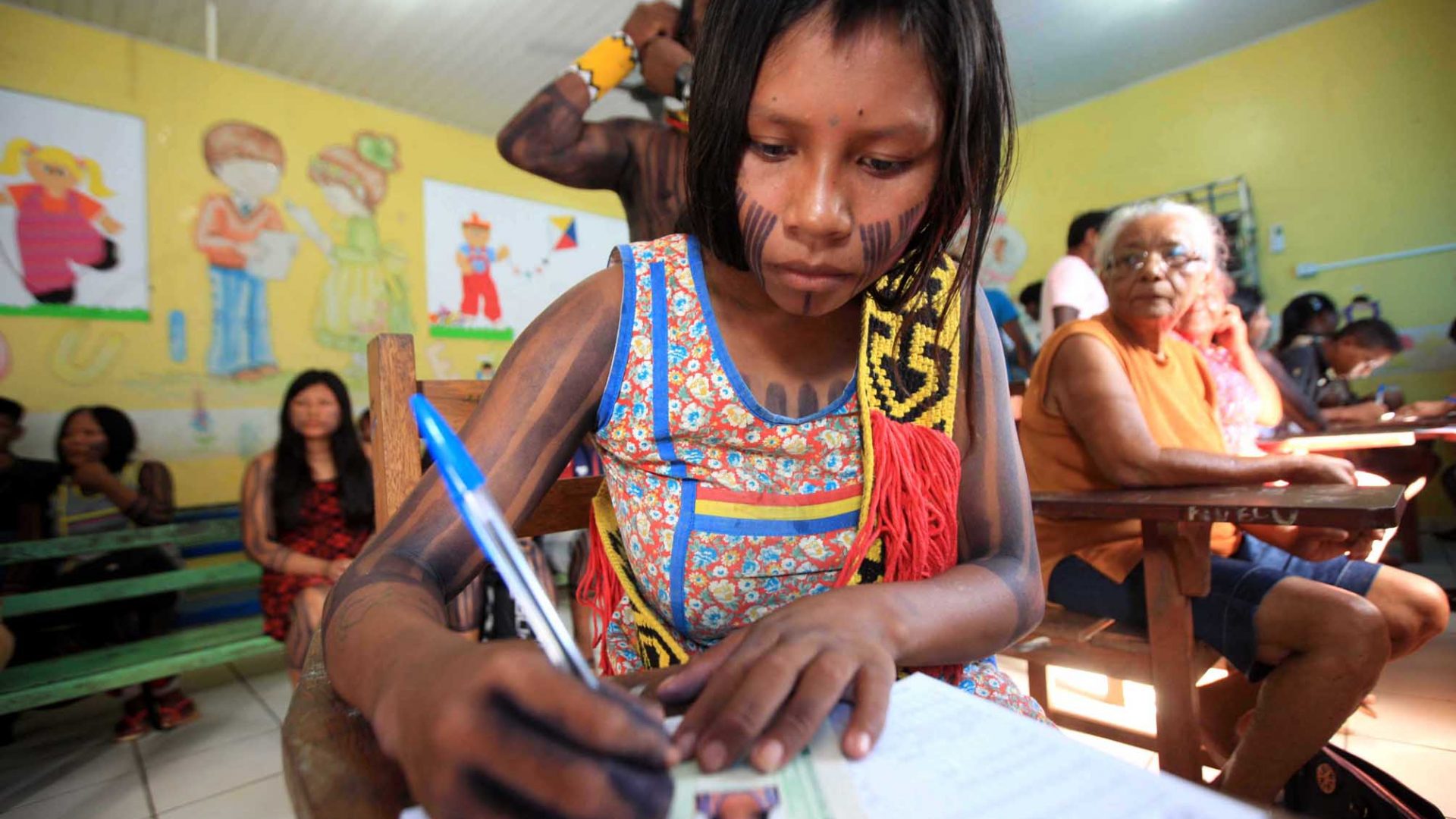
GCE links local realities with national, regional and global processes to push education systems to transform. Members jointly advocate in SDG 4 forums, climate processes and education policy spaces, influence major actors such as EdTech companies, and organise global campaigns that highlight the urgency of education transformation.
Through research, shared tools and peer learning, GCE strengthens coalitions’ capacity to develop policy alternatives, run impactful campaigns and hold authorities accountable for implementing transformative reforms.